Υπάρχει μέσα μας μια βαθιά ριζωμένη βεβαιότητα.
Η πεποίθηση ότι αυτό που βλέπουμε είναι η πραγματικότητα. Ότι ο κόσμος υπάρχει μπροστά μας ακριβώς όπως είναι και ότι η αντίληψή μας τον καταγράφει με σχετική ακρίβεια. Ζούμε με την αίσθηση ότι, αν κοιτάξουμε προσεκτικά κάτι, τίποτα σημαντικό δεν μπορεί να μας ξεφύγει.
Στα τέλη της δεκαετίας του ’90, δύο ερευνητές, ο Daniel Simons και ο Christopher Chabris, πραγματοποίησαν ένα πείραμα που έμελλε να γίνει ένα από τα πιο γνωστά στην ιστορία της γνωστικής ψυχολογίας.
Έδειξαν σε ανθρώπους ένα βίντεο, στο οποίο δύο ομάδες στέκονταν και αντάλλασσαν μπάλες μπάσκετ μεταξύ τους. Η οδηγία ήταν απλή: να μετρήσουν πόσες φορές η μία ομάδα αντάλλαξε την μπάλα. Οι συμμετέχοντες συγκεντρώθηκαν, παρακολούθησαν προσεκτικά και μέτρησαν τις πάσες.
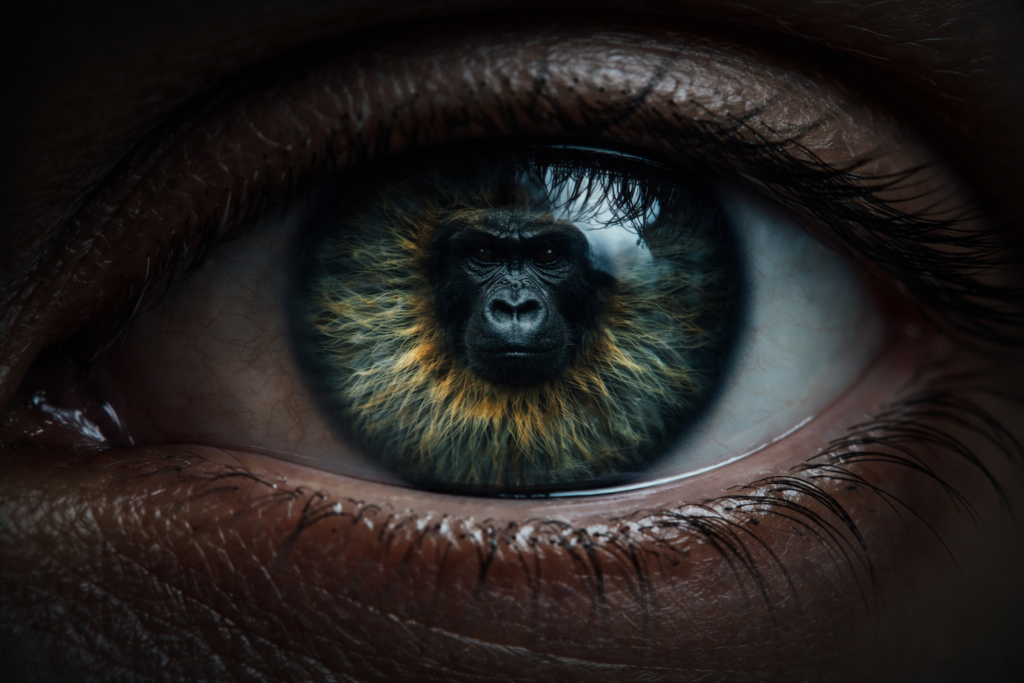
Κι όμως, στη μέση του βίντεο, μπροστά στα μάτια τους, ένα άτομο ντυμένο γορίλας πέρασε μέσα από τη σκηνή, στάθηκε, χτύπησε το στήθος του και αποχώρησε. Σχεδόν οι μισοί από όσους παρακολουθούσαν δεν το είδαν ποτέ.
Όχι επειδή δεν κοιτούσαν.
Όχι επειδή δεν ήταν εκεί.
Αλλά επειδή η προσοχή τους ήταν στραμμένη αλλού.
Το φαινόμενο αυτό ονομάστηκε μη συνειδητή τύφλωση λόγω έλλειψης προσοχής. Δεν αφορά τα μάτια. Αφορά την προσοχή. Η εικόνα βρίσκεται μπροστά μας, αλλά ο εγκέφαλος δεν την επεξεργάζεται συνειδητά αν δεν σχετίζεται με το έργο στο οποίο είμαστε εκείνη τη στιγμή συγκεντρωμένοι.
Χρόνια αργότερα, οι ίδιοι ερευνητές συγκέντρωσαν δεκαετίες επιστημονικών ευρημάτων σε ένα βιβλίο με έναν τίτλο που έγινε σχεδόν συμβολικός: «The Invisible Gorilla». Σε αυτό το βιβλίο, το πείραμα παύει να είναι απλώς ένα επιστημονικό εύρημα και γίνεται ένας τρόπος να κατανοήσουμε πώς λειτουργεί η ανθρώπινη σκέψη στην καθημερινή ζωή.
Γιατί το σημαντικό σημείο του πειράματος δεν είναι ότι κάποιοι άνθρωποι δεν είδαν τον γορίλα. Το πραγματικά ενδιαφέρον είναι ότι οι περισσότεροι είναι βέβαιοι πως, αν βρίσκονταν στο πείραμα, θα τον είχαν δει. Με άλλα λόγια, το πρόβλημα δεν είναι μόνο ότι μας διαφεύγουν πράγματα που συμβαίνουν μπροστά στα μάτια μας. Το πρόβλημα είναι ότι πιστεύουμε πως δεν μας διαφεύγουν.
Αυτή είναι ίσως η πιο επικίνδυνη ψευδαίσθηση: η ψευδαίσθηση της βεβαιότητας.
Η αντίληψη δεν είναι καθρέφτης της πραγματικότητας. Είναι επιλογή. Ο εγκέφαλος δεν μπορεί να επεξεργαστεί όλες τις πληροφορίες που δέχεται κάθε στιγμή, γι’ αυτό φιλτράρει την πραγματικότητα. Κρατά μόνο ό,τι είναι χρήσιμο για το έργο που εκτελεί εκείνη τη στιγμή και αφήνει τα υπόλοιπα έξω από τη συνειδητή εμπειρία.
Με άλλα λόγια, δεν βλέπουμε τον κόσμο όπως είναι.
Τον βλέπουμε όπως μπορούμε να τον διαχειριστούμε.
Αυτό δεν αφορά μόνο ένα πείραμα σε εργαστήριο. Αφορά τον τρόπο που ακούμε τους ανθρώπους γύρω μας. Τον τρόπο που θυμόμαστε το παρελθόν. Τον τρόπο που σχηματίζουμε απόψεις και βεβαιότητες. Τον τρόπο που ζούμε.
Βλέπουμε αυτό που περιμένουμε να δούμε.
Ακούμε αυτό που μπορούμε να αντέξουμε να ακούσουμε.
Θυμόμαστε αυτό που ταιριάζει στην ιστορία που λέμε στον εαυτό μας.
Και μέσα σε αυτή την επιλεκτική πραγματικότητα χτίζουμε την αίσθηση της αλήθειας.
Υπάρχει όμως ένα σημείο όπου αυτή η λειτουργία του εγκεφάλου γίνεται παγίδα. Όταν ξεχνάμε ότι αυτό που βλέπουμε είναι μόνο ένα μέρος της πραγματικότητας. Όταν η επιλεκτική εικόνα γίνεται απόλυτη βεβαιότητα. Όταν σταματάμε να αναρωτιόμαστε τι είναι αυτό που δεν βλέπουμε.
Τότε ο γορίλας μπορεί να στέκεται ακριβώς μπροστά μας —
κι εμείς συνεχίζουμε να μετράμε πάσες.
Και ίσως το πιο σημαντικό ερώτημα δεν είναι αν βλέπουμε σωστά τον κόσμο.
Αλλά πόσα πράγματα συμβαίνουν μπροστά στα μάτια μας
χωρίς να τα βλέπουμε καθόλου.