
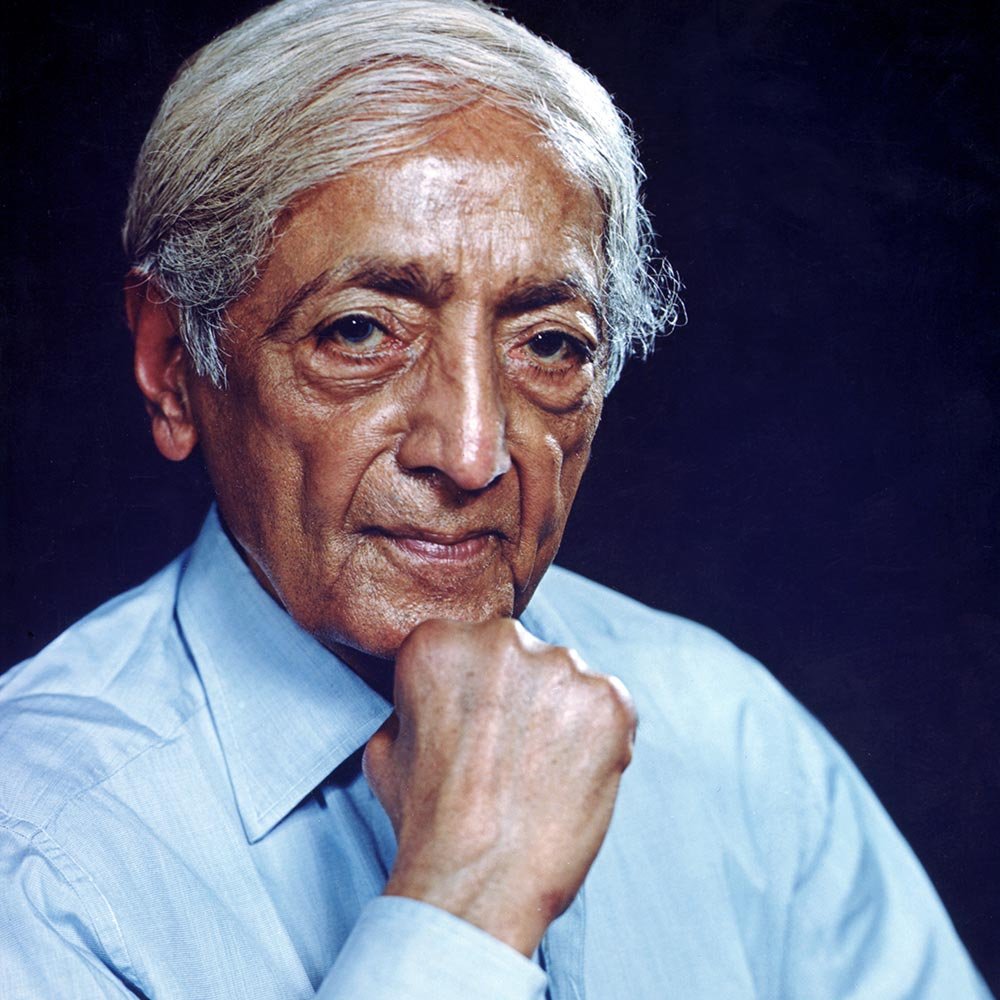
Υπάρχουν άνθρωποι που έμειναν στην ιστορία για όσα είπαν και υπάρχουν και κάποιοι ελάχιστοι που έμειναν στην ιστορία για τον τρόπο που έζησαν. Ο Jiddu Krishnamurti ανήκει αναμφίβολα στη δεύτερη κατηγορία. Και ίσως αυτό να είναι το σημαντικότερο στοιχείο πάνω του. Όχι η φιλοσοφία του, όχι οι ομιλίες του, όχι τα βιβλία του, αλλά το γεγονός ότι έζησε με απόλυτη συνέπεια απέναντι σε αυτά που πίστευε.
Η ιστορία του μοιάζει σχεδόν κινηματογραφική από μόνη της. Σε πολύ μικρή ηλικία ανακαλύφθηκε από μέλη της Θεοσοφικής Εταιρείας, οι οποίοι πίστεψαν ότι είχαν βρει τον άνθρωπο που θα γινόταν ένας παγκόσμιος πνευματικός δάσκαλος, κάτι σαν μεσσίας για μια νέα εποχή. Από εκείνη τη στιγμή και μετά, όλη του η ζωή οργανώθηκε γύρω από αυτή την ιδέα. Είχε πρόσβαση σε εκπαίδευση, ισχυρούς ανθρώπους, ταξίδια, οικονομική στήριξη και ένα ολόκληρο δίκτυο που προετοίμαζε το έδαφος για την εμφάνισή του ως πνευματικού ηγέτη. Υπήρχαν ήδη άνθρωποι που τον ακολουθούσαν πριν καν αρχίσει να διδάσκει. Ο δρόμος μπροστά του ήταν πλήρως στρωμένος.
Και τότε συνέβη κάτι που ελάχιστοι άνθρωποι θα είχαν τη δύναμη να κάνουν. Το 1929, σε μια δημόσια ομιλία, διέλυσε την οργάνωση που είχε δημιουργηθεί για να τον ακολουθεί και είπε μια φράση που έμεινε στην ιστορία: «Η αλήθεια είναι μια χώρα χωρίς μονοπάτι». Με μία πρόταση και μία απόφαση γκρέμισε ολόκληρη τη δομή που είχε χτιστεί γύρω από το όνομά του. Αρνήθηκε τον ρόλο του μεσσία, αρνήθηκε τους οπαδούς, αρνήθηκε την πνευματική εξουσία πάνω στους ανθρώπους. Ουσιαστικά είπε ότι κανείς δεν μπορεί να οδηγήσει έναν άλλον άνθρωπο στην αλήθεια και ότι όποιος ακολουθεί κάποιον άλλον έχει ήδη σταματήσει να αναζητά μόνος του.
Αν κάποιος κοιτάξει αυτή την πράξη ψύχραιμα, θα καταλάβει ότι δεν επρόκειτο απλώς για μια φιλοσοφική θέση. Ήταν ένας τρόπος ζωής. Διότι είναι εύκολο να μιλάς για ελευθερία, αλλά πολύ δύσκολο να αρνηθείς την εξουσία όταν σου προσφέρεται. Είναι εύκολο να μιλάς για αλήθεια, αλλά πολύ δύσκολο να καταστρέψεις ένα ολόκληρο σύστημα που ήδη σε έχει τοποθετήσει στην κορυφή του. Ο Krishnamurti δεν πολέμησε ένα σύστημα που ήταν απέναντί του. Πολέμησε ένα σύστημα που τον έκανε αρχηγό του.
Και ίσως εκεί βρίσκεται το πραγματικό νόημα της ζωής του. Δεν προσπάθησε ποτέ να γίνει ηγέτης, ποτέ να συγκεντρώσει οπαδούς, ποτέ να χτίσει μια σχολή σκέψης. Αντιθέτως, μέχρι το τέλος της ζωής του έλεγε στους ανθρώπους να μην τον ακολουθούν, να μην πιστεύουν όσα έλεγε και να μη δημιουργήσουν καμία ιδεολογία γύρω από το όνομά του. Ακόμα και πριν τον θάνατό του, είχε ζητήσει να μην υπάρξουν «εκπρόσωποι» του έργου του και κανείς να μην ερμηνεύει τις διδασκαλίες του εκ μέρους του.
Σε έναν κόσμο όπου όλοι αναζητούν οπαδούς, κοινό, επιρροή και αναγνώριση, υπήρξε ένας άνθρωπος που έκανε ακριβώς το αντίθετο. Αφαίρεσε από τον εαυτό του κάθε εξουσία πάνω σε άλλους ανθρώπους. Και ίσως αυτό να είναι σημαντικότερο από οποιαδήποτε φιλοσοφία.
Γι’ αυτό, ακόμα κι αν κάποιος διαφωνεί με όσα είπε, αξίζει να δώσει προσοχή στον τρόπο που έζησε. Διότι στο τέλος, πολλοί άνθρωποι μίλησαν για την αλήθεια, την ελευθερία και την ανεξάρτητη σκέψη. Ελάχιστοι όμως αρνήθηκαν την εξουσία, την αυθεντία και τους οπαδούς ώστε να παραμείνουν πραγματικά ελεύθεροι.
Ο Krishnamurti μπορεί να είχε δίκιο ή άδικο σε πολλά από όσα είπε. Αυτό όμως που είναι πολύ δύσκολο να αμφισβητηθεί είναι ότι έζησε με απόλυτη συνέπεια απέναντι σε αυτά που πίστευε. Και σε έναν κόσμο γεμάτο θεωρίες, ιδεολογίες, δασκάλους και σωτήρες, ίσως η συνέπεια ανάμεσα στα λόγια και τη ζωή ενός ανθρώπου να είναι από μόνη της μια μορφή αλήθειας.